How to Take Advantage Of Semantic Search for Market Dominance

The Shift Toward Entity-Based Discovery in 2026
Search engines in 2026 no longer view a query as a simple string of text. Instead, they translate every search as an ask for particular entities and the relationships in between them. This shift has actually changed how content developers approach professional offerings across various platforms. In this environment, a page is not just a collection of keywords. It is a node in an enormous understanding chart that connects brands, locations, and user requires through semantic significance.
Browse algorithms now prioritize the "who, what, and where" with much higher accuracy. When a user in the local market search for info, the engine assesses the authority of the content based on its connection to known realities and validated information points. Content that stops working to establish these connections typically vanishes from the first page of results, regardless of how numerous times it discusses a particular expression. Success now depends on how clearly a brand name can define its location within its specific niche through entity-based optimization.
Lots of organizations discover that moving resources towards SEO NEO VPS supplies the clearest course to exposure. By focusing on the underlying ideas rather than simply the vocabulary, these organizations align themselves with the way AI-driven search designs really process details in 2026. This needs a relocation away from standard SEO tactics and towards a more sophisticated understanding of how subjects connect to one another in a specific regional context.
Understanding Semantic Significance and Contextual Intent
Intent matching in 2026 concentrates on the user's goal rather than their actual words. A look for "cost" might actually be a request for a contrast, a timeline, or a specific value proposition. Algorithms use historic habits, real-time location information, and industry-specific understanding to choose which intent is most likely. For service providers of specialized solutions, this means material needs to deal with the why behind a search. If a user remains in the early stages of research, they need academic material. If they are all set to make a decision, they need specific characteristics and proof of quality.
Semantic importance is the step of how well a piece of content covers a subject's needed sub-topics. In 2026, thin material is a liability. If a post discusses industry practices Misses the secondary entities that users naturally associate with that subject, the search engine sees the page as insufficient. This is why thoroughness has actually become the primary metric for quality. Browse engines compare the entities on a page with a "gold requirement" map of what that topic need to include.
The role of structured data has likewise broadened. It is no longer sufficient to just utilize basic schema. In local areas, advanced tagging that links a service to particular geographical landmarks, associated industries, and even public data has ended up being standard. This level of detail enables the online search engine to comprehend precisely what a page uses without having to think based upon unpleasant prose.
The Role of Multi-Modal Search in Intent Matching
By 2026, search is no longer limited to text boxes. Voice, images, and video are incorporated into a single discovery experience. Users might take an image of an issue and request for a solution, or they may explain a requirement while driving through their home state. The search engine must match these varied inputs to the very same core entities. Material needs to be gotten ready for this multi-modal truth by utilizing detailed alt-text, records, and high-quality visual data that enhances the primary subject.
When a search engine processes a video, it searches for the same entities it would find in an article. If the video talks about technical processes, the audio and visual cues need to line up with the semantic map of that industry. This cross-verification guarantees that the intent matching remains precise across all formats. Organizations that neglect these non-textual components find themselves losing traffic to more flexible rivals.
Content Structure for the 2026 User Journey
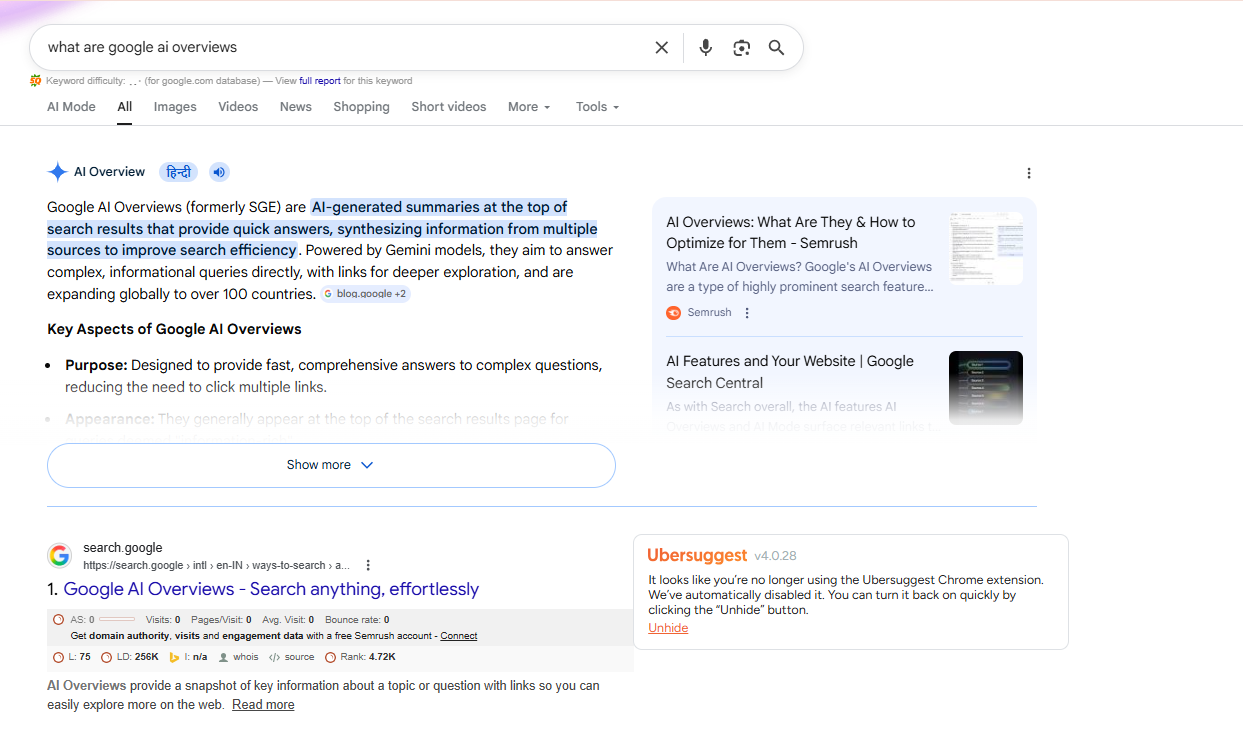
Modern material should be developed for quick scanning by both humans and AI. Technique experts argue that SEO NEO Pricing and VPS represents the next phase of natural growth. This involves arranging information in a way that allows search models to extract answers directly for the "zero-click" results that dominate the top of the 2026 search page. Instead of long, rambling intros, pages now begin with direct responses followed by deeper analysis.
This structure follows a specific reasoning:
- The direct response addresses the immediate intent (The What)
- The middle section provides context and entity relationships (The How)
- The final sections provide supporting data and regional importance in the surrounding region (The Where)
This "inverted pyramid" for the web guarantees that regardless of how a user engages with the page-- whether they check out the entire thing or just get a bit from an AI assistant-- their intent is pleased. In 2026, satisfying the user rapidly is the very best method to make a higher ranking. High bounce rates are less about the user leaving and more about whether they had to go back to the search page to discover a better answer.
Local Entity Alignment in the region
Regional search has become much more than just a map listing. In 2026, the search engine understands the subtleties of a regional market like the area. It knows which services remain in need, which communities have specific needs, and which regional entities are most trusted. To rank well locally, a page needs to demonstrate a physical and conceptual connection to the location. This isn't done through keyword stuffing however through referencing regional events, partner companies, and regional guidelines that impact local industry standards.
A service in the local market should look like a genuine part of the neighborhood's digital footprint. This indicates being pointed out by other local entities and having a consistent presence across numerous local databases. The search engine tries to find "co-occurrence"-- when a brand is mentioned along with other recognized local entities. This constructs the trust essential to be recommended in high-stake searches where intent is tied to a particular location.
Predictive Intent and the Future of Discovery
One of the greatest changes in 2026 is the increase of predictive search. Based upon previous behavior and present context, search assistants typically suggest relevant solutions before the user even completes their thought. This requires content that stays ahead of the curve. If a company understands the common lifecycle of its consumers, it can create material that answers the next question the user is most likely to have. This "proactive intent matching" is what separates the top entertainers from the remainder of the pack.
Predictive designs rely greatly on the frequency and recency of entity associations. If a new pattern emerges in the broader region, the online search engine rapidly updates its knowledge chart to include brand-new related terms. Content developers should be nimble enough to update their pages as these semantic relationships progress. Fixed material is successfully dead content in 2026. A page must be a living document that shows the most current state of its topic.
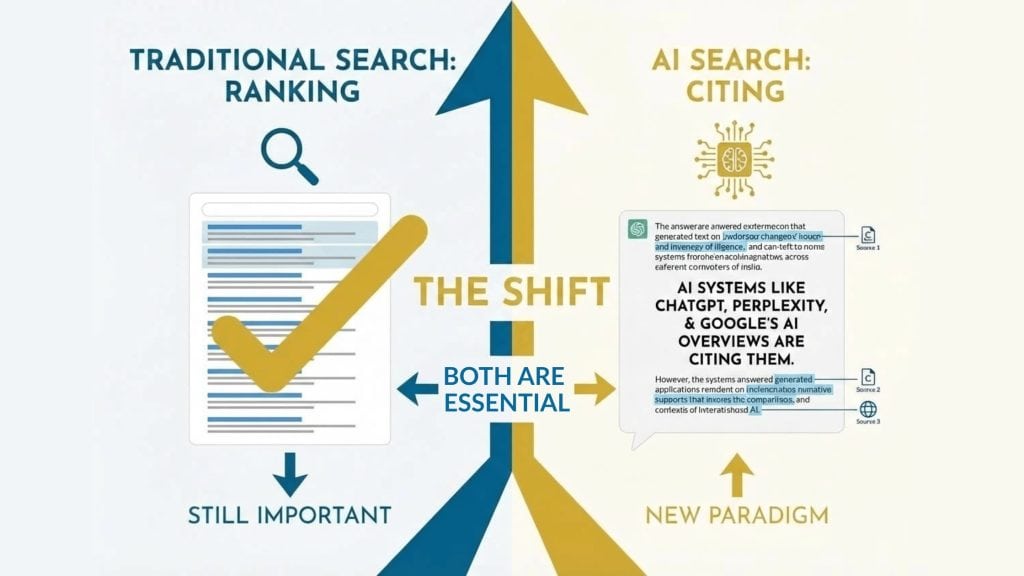
The objective is no longer to simply "rank" for a term. The goal is to be the most relevant answer for a particular need at a particular minute. This needs a deep commitment to quality and a technical understanding of how search engines classify the world. By focusing on entity-based optimization and semantic depth, service providers in any market can ensure they remain visible in a progressively automated and AI-driven search environment. The focus stays on the user, their objectives, and the clearness with which those goals are fulfilled through high-value info.
As 2026 continues to push the boundaries of what search can do, the essential concept stays the very same. Content that offers real value, rooted in realities and context, will constantly find its audience. The technology utilized to find that content has altered, but the human desire for accurate, relevant info has not. Adjusting to these new environments is not about video gaming a system, but about speaking the language of the modern web-- a language of entities, relationships, and clear intent.