Mastering the Art of Topical Coverage and Efficiency
The Semantic Shift in Browse Technique
Browse algorithms in 2026 have moved far beyond easy string matching. The present search environment counts on vector embeddings and neural networks that understand the relationship in between various topics. This shift towards entity-based optimization suggests that specific pages are no longer ranked in seclusion. Instead, search engines evaluate the entire context of a site to identify its authority on a specific subject. Organising info into a cluster architecture has become the standard for achieving high presence in a competitive digital space.Content clusters work by grouping related pages around a main pillar. This pillar serves as a broad summary of a significant topic, while sub-pages, or cluster nodes, supply comprehensive answers to particular concerns within that topic. By connecting these pages through a deliberate internal linking strategy, a website demonstrates a clear map of information to search crawlers. This structure assists online search engine determine the primary entities gone over and the semantic relevance in between various pieces of information.Modern search engines prioritising SEO NEO Analysis discover that websites using cluster designs often see higher engagement and longer dwell times. When a user discovers an answer on a cluster node, they are most likely to click through to the pillar page for more context or to another node for associated details. This internal movement signals to online search engine that the site provides a thorough resource for the user's intent.
Structuring the Pillar Page for Maximum Authority
A pillar page acts as the foundation of the cluster. In 2026, these pages are no longer just long-form articles. They are advanced resource centres that provide a high-level summary of a broad topic while pointing users toward more particular information. The goal of a pillar page is to cover all aspects of a core entity without getting bogged down in minute details that belong in the cluster nodes.The effectiveness of a pillar page depends on its capability to define the scope of the subject. It needs to use clear headings that correspond to the main sub-topics within the cluster. Each heading acts as a natural exit point where a user can click a link to a cluster node for a deep dive into that specific sub-topic. This develops a logical hierarchy that shows how human beings in fact learn brand-new information.When constructing these main hubs, developers and content strategists search for methods to integrate various media types. Interactive maps, information visualisations, and structured information modules help browse engines parse the page content more efficiently. Utilizing schema markup to specify the relationships between the pillar and its nodes is a common practice in 2026, making sure that the semantic connections are explicit rather than indicated.
Establishing Cluster Nodes Based on User Intent
Cluster nodes are the specialized pages that support the pillar. Each node should concentrate on a particular long-tail keyword or a niche question associated to the primary topic. In the existing search climate, these nodes are often developed to address the "who, what, where, and how" of a particular entity. By covering these particular angles, a site records traffic from users who are even more along in their search process.In 2026, intent category has actually become extremely granular. Browse engines can distinguish between a user trying to find a quick meaning and one looking for a technical comparison. Subsequently, cluster nodes should be customized to these specific intent types. Some nodes might be short, punchy FAQ design pages, while others may be technical white documents. The range of formats within a cluster strengthens the overall semantic profile of the site.The relationship between these nodes is just as crucial as their relationship to the pillar. Linking between related cluster nodes helps online search engine comprehend the horizontal connections in between sub-topics. For instance, a node about upkeep must naturally connect to a node about fixing. This web of internal links guarantees that authority flows throughout the whole cluster instead of pooling in simply one or 2 pages.
The Role of Entity-Based Optimization
Entity-based optimization focuses on things, not strings. An entity is a distinct object or concept that online search engine can distinctively recognize. In 2026, search algorithms use understanding charts to connect these entities. When a site utilizes content cluster architecture, it is basically building its own small knowledge graph.By regularly discussing associated entities within a cluster, a site enhances its relevance to those subjects. If a cluster is about renewable resource, the content needs to naturally reference associated entities like photovoltaic panels, grid storage, and carbon offsets. Online search engine try to find these co-occurrences to validate that the content is written by an educated source. This semantic density is an essential aspect in how websites are ranked for competitive terms.Using SEO NEO Strengths and Tradeoffs has become a staple for those looking to remain ahead of AI-driven search summaries. AI designs that create search responses frequently pull information from sites that demonstrate a clear understanding of entity relationships. A well-structured cluster offers the specific kind of organised information that these designs choose when synthesising a response for a user.
Internal Linking and Equity Circulation
The links between the pillar and its nodes are the pathways for both users and search equity. In 2026, the method these links are structured is more technical than it was a couple of years earlier. No-follow tags and sponsored qualities are used with accuracy, but the internal "follow" links remain the most effective tool for dispersing ranking power throughout a site.Each cluster node need to connect back to the pillar page utilizing constant anchor text that reinforces the main topic. Concurrently, the pillar page need to connect out to every node within the cluster. This circular connecting pattern produces a self-contained unit of authority. When one page in the cluster earns an external backlink, the equity from that link is distributed through the internal links to the remainder of the cluster.This circulation model prevents "orphan pages" that search engines might miss. It also ensures that more recent material can gain traction quickly by being connected from an established pillar page. In 2026, SEO specialists invest as much time auditing internal link courses as they do developing external ones, recognizing that a dripped or broken internal course can decrease the efficiency of a whole cluster.
The Effect of AI and Generative Search on Clusters
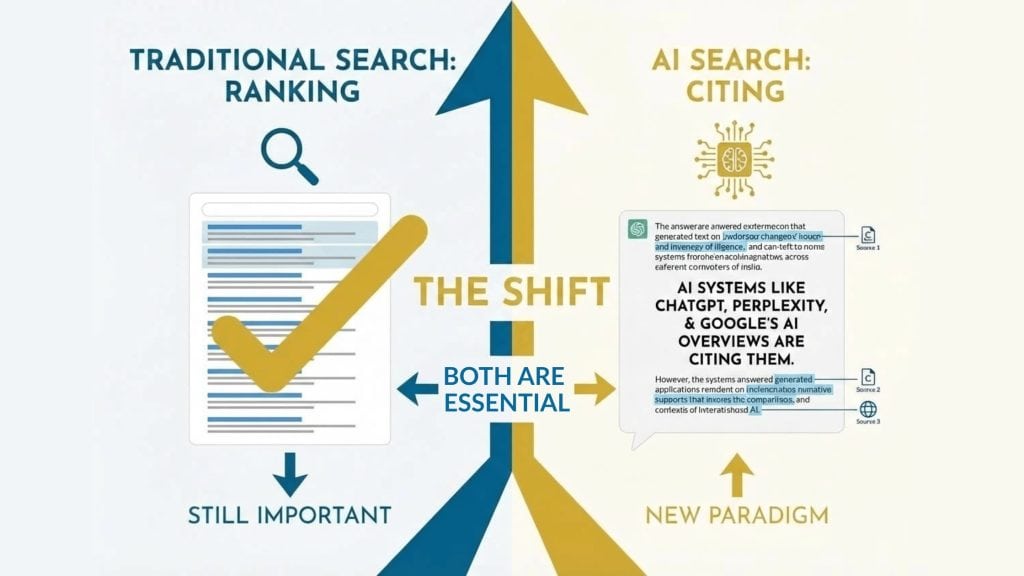
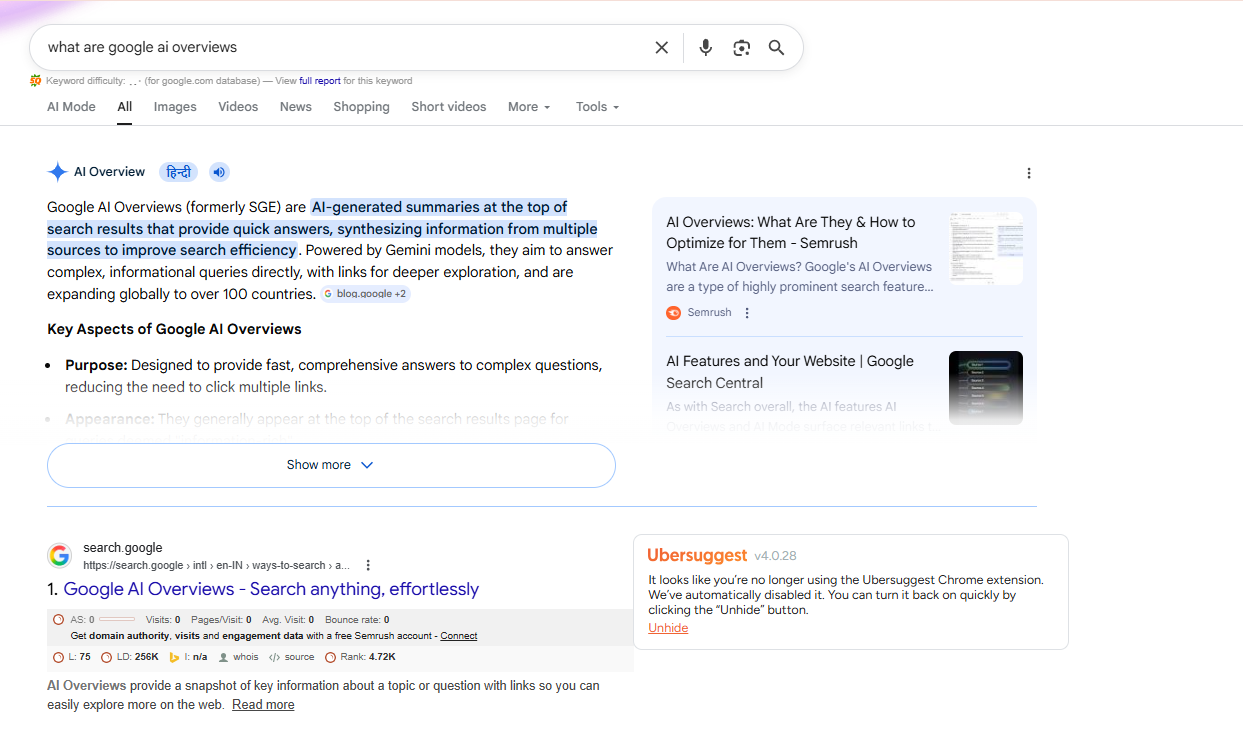
Generative online search engine have altered how material is taken in. Rather of a list of links, users frequently see a synthesized summary. These summaries still rely on underlying source product. Material clusters are particularly effective in this environment since they provide a structured breakdown that AI can easily point out and verify.When an AI design looks for a source, it looks for out pages that provide high "information gain." This indicates supplying new or more detailed information than what is currently readily available. A cluster architecture allows a website to supply this gain throughout multiple pages. While the pillar offers the agreement view, the nodes offer the particular, comprehensive information points that AI designs require to ground their responses in reality.The focus in 2026 is on being the most reputable "node" in the broader web's knowledge graph. Websites that effectively organize their material into clusters are more most likely to be utilized as the main source for AI-generated responses. This causes a different sort of presence where the brand is related to the conclusive response for a particular subject.
Evaluating Cluster Performance and Semantic Health
Keeping an eye on a material cluster requires looking at more than simply individual page rankings. Success is measured by the aggregate growth of the whole topic group. Analysts in 2026 usage tools that track "topical share of voice" to see just how much of a particular subject area a cluster controls.A healthy cluster reveals a rise in rankings for a broad series of related keywords, not simply the main term. If the pillar is ranking well however the nodes are not, it might indicate that the nodes are too thin or absence specific intent-based information. Alternatively, if nodes rank well however the pillar lags, the internal connecting may not be strong enough to pass authority upward.Regular audits are needed to guarantee that the semantic significance remains high. As new innovations or patterns emerge, new nodes should be contributed to the cluster to keep it present. In 2026, a static cluster is a passing away cluster. Keeping the architecture upgraded with fresh entities and updated internal links is a consistent requirement for maintaining a dominant position in search engine result.
Future-Proofing Material Through Structured Architecture
The shift toward entity-based search is not a temporary trend. It is the outcome of search engines ending up being better at understanding human language and the world at big. Organising material into clusters is a method of speaking the language of contemporary search algorithms. It provides the structure, context, and significance that AI-driven systems need to make ranking decisions.By concentrating on how subjects connect rather than just how keywords repeat, a site builds a more resilient existence. This architecture manages changes in searcher habits, such as the rise of voice search and conversational AI, because the underlying semantic map stays legitimate. In 2026, the most effective sites are those that treat their content as an interconnected web of knowledge, developed to be both human-readable and machine-understandable. Embracing this architectural approach needs a shift in mindset from releasing private posts to constructing detailed understanding bases. It involves a dedication to depth over breadth and a technical understanding of how details streams through a site. Those who master the art of the material cluster find themselves at the top of the search results page, not by possibility, however by design.